Why the Answer Is More Complex—and More Empowering—Than You Think
1. First, Let’s Get Real About “Street Fights”
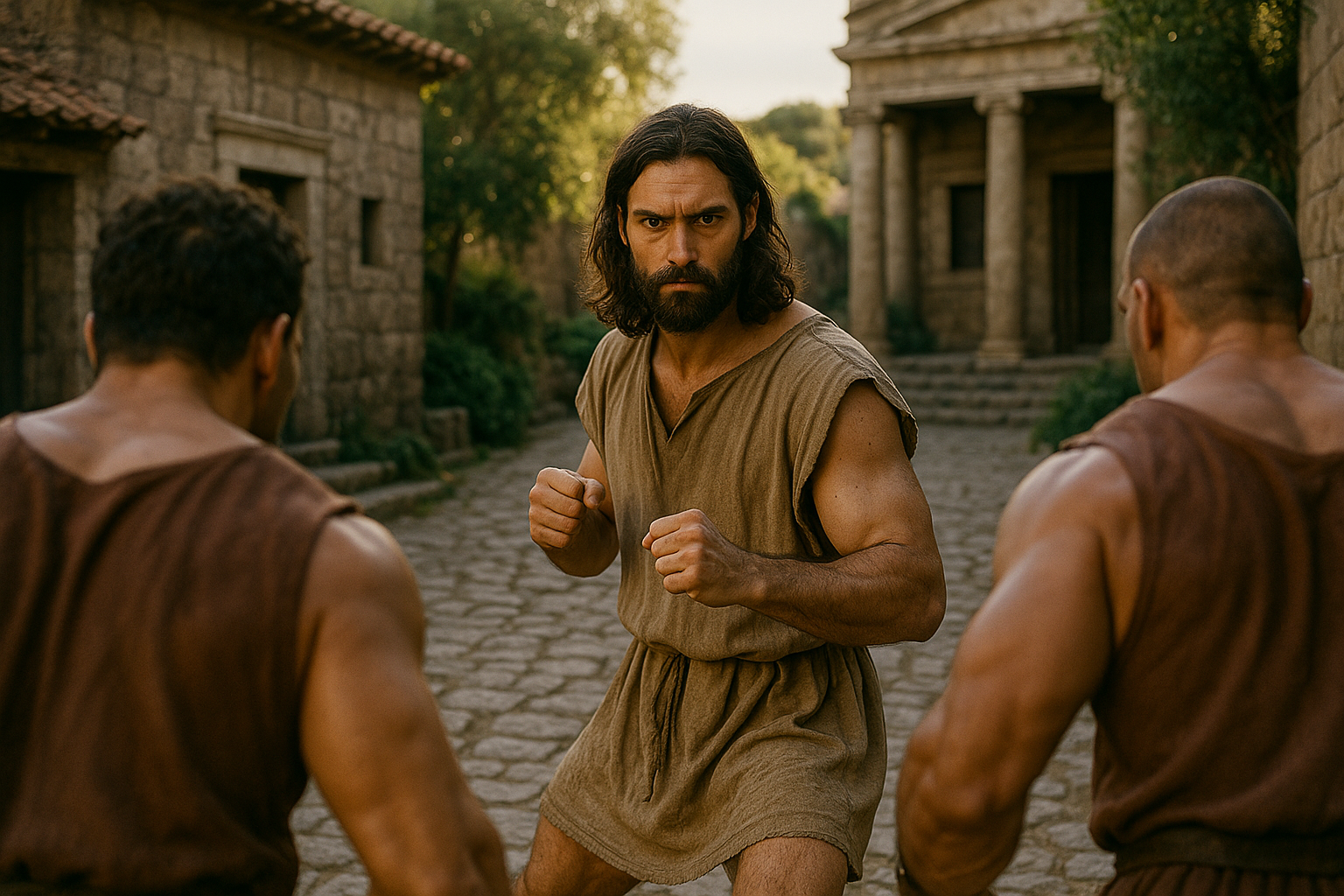
Street fights are not cage matches.
They’re unpredictable storms: no rules, weapons unknown, surfaces uneven, adrenaline flooding your body.
The real question isn’t which art lets me win a duel, it’s how do I walk away alive, uninjured, and not in jail?
That framing matters. The best martial art for the street is the one that:
- Prevents violence whenever possible.
- Controls chaos quickly when prevention fails.
- Respects the law so you’re not the aggressor in a courtroom later.
Any ranking that ignores those truths sells you a movie fantasy.

2. Principles First, Styles Second
Before listing arts, remember: principles beat styles.
- Situational Awareness – spotting danger before it ignites.
- Distance Management – knowing when to close space and when to create it.
- Simple, High-Percentage Techniques – strikes or controls that work when fine motor skills vanish under adrenaline.
- Stress Inoculation – training under pressure so you can think while scared.
The arts below succeed or fail depending on how well they teach these principles.
3. Evaluating Martial Arts for Real-World Self-Defense
Let’s examine key candidates, weighing practicality, training culture, and real-world adaptability.
Boxing
Why it shines:
- Footwork and head movement save lives.
- A trained jab–cross lands with fight-ending power.
- Builds conditioning and composure under pressure.
Limitations:
- No grappling, no kicks, no weapon defense.
- A slick boxer still struggles if tackled onto concrete or attacked by multiple people.
Verdict:
Essential striking foundation. Pair it with clinch or grappling skills for balance.
Muay Thai / Kickboxing
Why it shines:
- Devastating elbows, knees, low kicks.
- Clinch work teaches balance breaking and short-range striking.
- Training culture emphasizes live sparring—vital for realism.
Limitations:
- Little focus on weapons or ground survival.
- Ruleset assumes one opponent.
Verdict:
Fantastic for stand-up dominance and conditioning. Add grappling to round out.
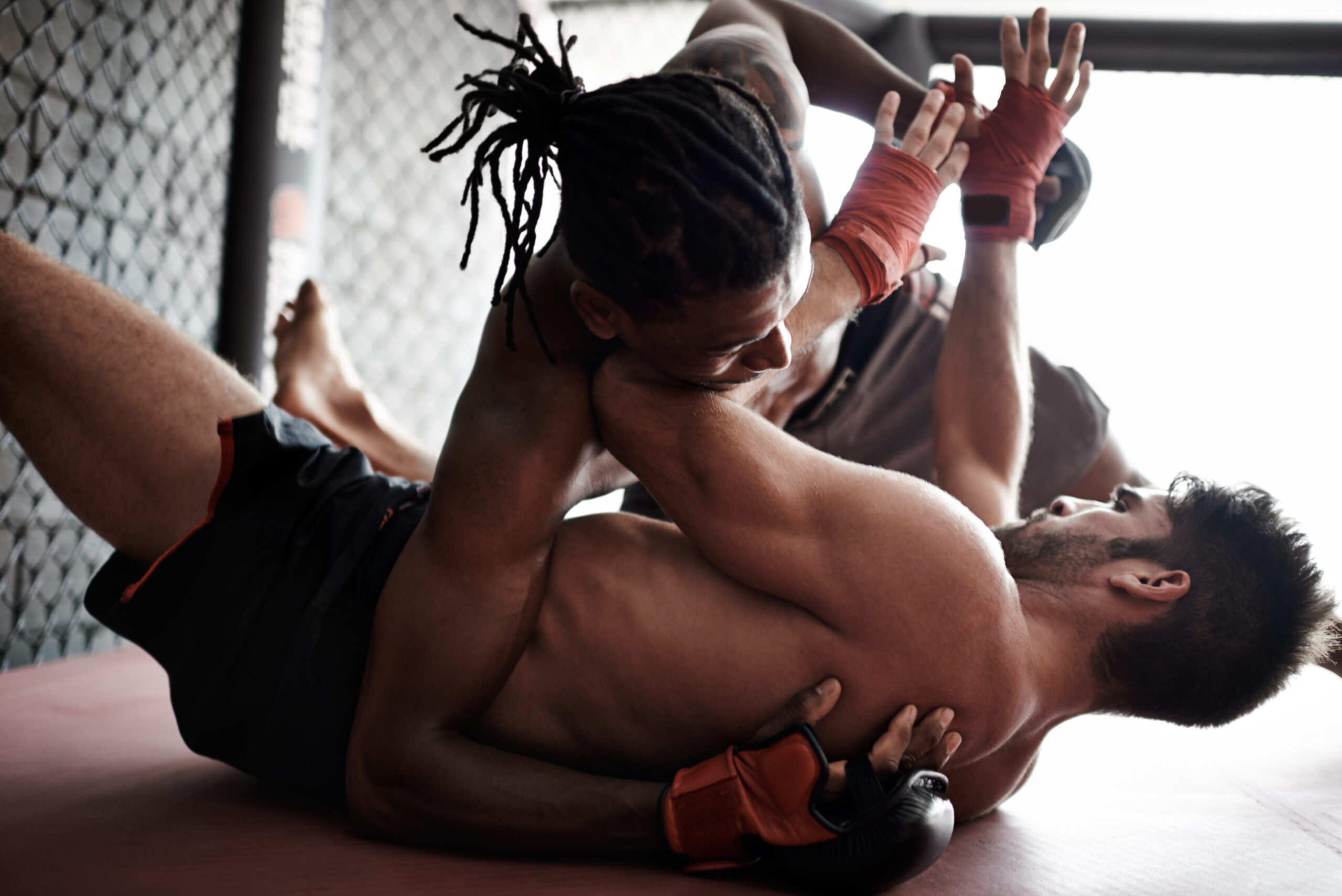
Brazilian Jiu-Jitsu (BJJ)
Why it shines:
- Exceptional for controlling and subduing an opponent without striking.
- Teaches leverage and escapes from inferior positions.
- Live rolling builds calm under pressure.
Limitations:
- Ground fighting on asphalt can be dangerous with multiple attackers or hidden weapons.
- No striking training.
Verdict:
A must-have for control and escapes, but pair with striking and weapon awareness.
Judo
Why it shines:
- Throws that slam opponents onto unforgiving concrete.
- Strong clinch and balance control.
- Competitive training = pressure-tested skills.
Limitations:
- Limited striking.
- Some modern clubs train more for sport than street.
Verdict:
Outstanding for close-range encounters and takedown defense.
Wrestling
Why it shines:
- Elite body control and takedown defense.
- Endless conditioning.
- Great for ending fights quickly by controlling hips and balance.
Limitations:
- No striking or submissions (beyond pins).
- Doesn’t teach weapon defense.
Verdict:
Excellent base for anyone who wants to dominate the clinch.
Krav Maga
Why it shines:
- Designed for real self-defense, including weapons and multiple attackers.
- Emphasizes aggression and rapid neutralization.
- Scenario-based drills mimic chaotic street encounters.
Limitations:
- Quality varies widely between schools—some are cardio-kickboxing in disguise.
- Less competitive sparring; pressure testing depends on the instructor.
Verdict:
A good one-stop self-defense system if you find a legitimate school.
Filipino Martial Arts (Kali/Arnis/Escrima)
Why it shines:
- Weapon awareness and defense (sticks, knives).
- Fluid transitions between weapons and empty hands.
Limitations:
- Less common, instruction quality varies.
- Empty-hand training may be secondary.
Verdict:
Invaluable for weapon defense and situational adaptability.
Mixed Martial Arts (MMA)
Why it shines:
- Combines boxing, Muay Thai, wrestling, and BJJ.
- Heavy emphasis on live sparring and conditioning.
Limitations:
- Still a sport: no weapons, no eye gouges, no small-joint manipulation.
Verdict:
Arguably the best overall athletic base if you can separate sport rules from street reality.
4. Building a “Street-Ready” Skill Set
Instead of crowning a single winner, consider layering skills:
| Layer | Art Options | Goal |
|---|---|---|
| Striking | Boxing or Muay Thai | Defend and create space. |
| Clinch & Throws | Judo or Wrestling | Control entries and disengage. |
| Ground Survival | BJJ | Escape and neutralize if taken down. |
| Weapons Awareness | Krav Maga or Filipino Martial Arts | Recognize and counter blades, sticks, improvised weapons. |
This cross-training approach mirrors what military and professional security experts recommend.
5. The Mindset That Outranks Any Belt
- De-escalation: Use voice, body language, and exit strategies first.
- Legal awareness: Understand self-defense laws where you live.
- Fitness and stress tolerance: Cardio and composure are often the deciding factors.
Remember: the best fight is the one you never have.
6. Practical Safety Tips
- Avoidance is victory. Walk away early. Pride is not worth a concussion or a lawsuit.
- Stay on your feet. Concrete is unforgiving; multiple attackers make the ground deadly.
- Train under pressure. Seek gyms that spar and drill realistically.
- Protect your head and hands. Simple guard and defensive footwork save lives.
- Know local laws. Even justified force can have legal consequences.
7. Final Words
I can’t sell you a tidy “one style wins” answer, because real life isn’t tidy.
True self-defense is a practice of awareness and compassion: you train so you don’t have to hurt anyone, so you can protect yourself and walk away with your soul intact.
If you want a formula:
Boxing or Muay Thai for striking + Wrestling or Judo for control + BJJ for ground survival + Krav Maga/Filipino arts for weapon awareness.
Train them not to “win street fights,” but to end violence fast and keep your humanity.
That’s the real best martial art for the street.
Call to Action:
Find a reputable gym. Cross-train. Practice de-escalation as hard as you drill combos.
Your life—and the life of someone who might attack you—is worth more than a knockout highlight.